
Chile
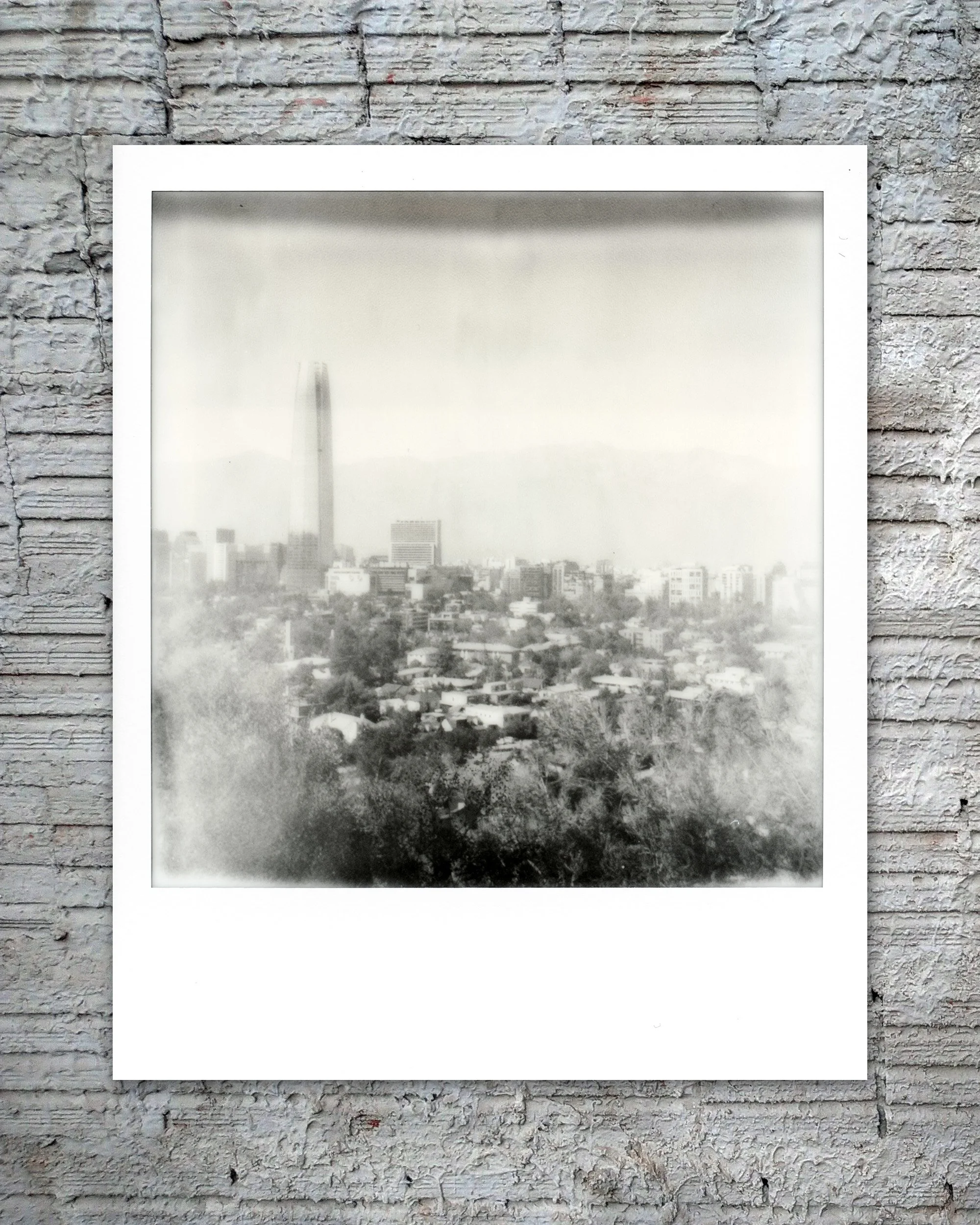
Santiago
Whenever I stay on top of a hill overlooking a never before explored city — in this case Cerro San Cristóbal — I often find myself gazing at the panorama and wondering what might be hidden in those parts of the city people usually deem uninteresting or boring. The places they say “It’s boring,” “there’s nothing there to see.” I’ve never quite agreed with that.
And surprisingly enough — despite what many tourist recommendations might suggest — the people of Santiago seem to agree with me. Almost everyone I spoke to kept bringing up their favourite corners of the city I should visit. Places that rarely appear in guidebooks or “top-10 to do” lists (…).
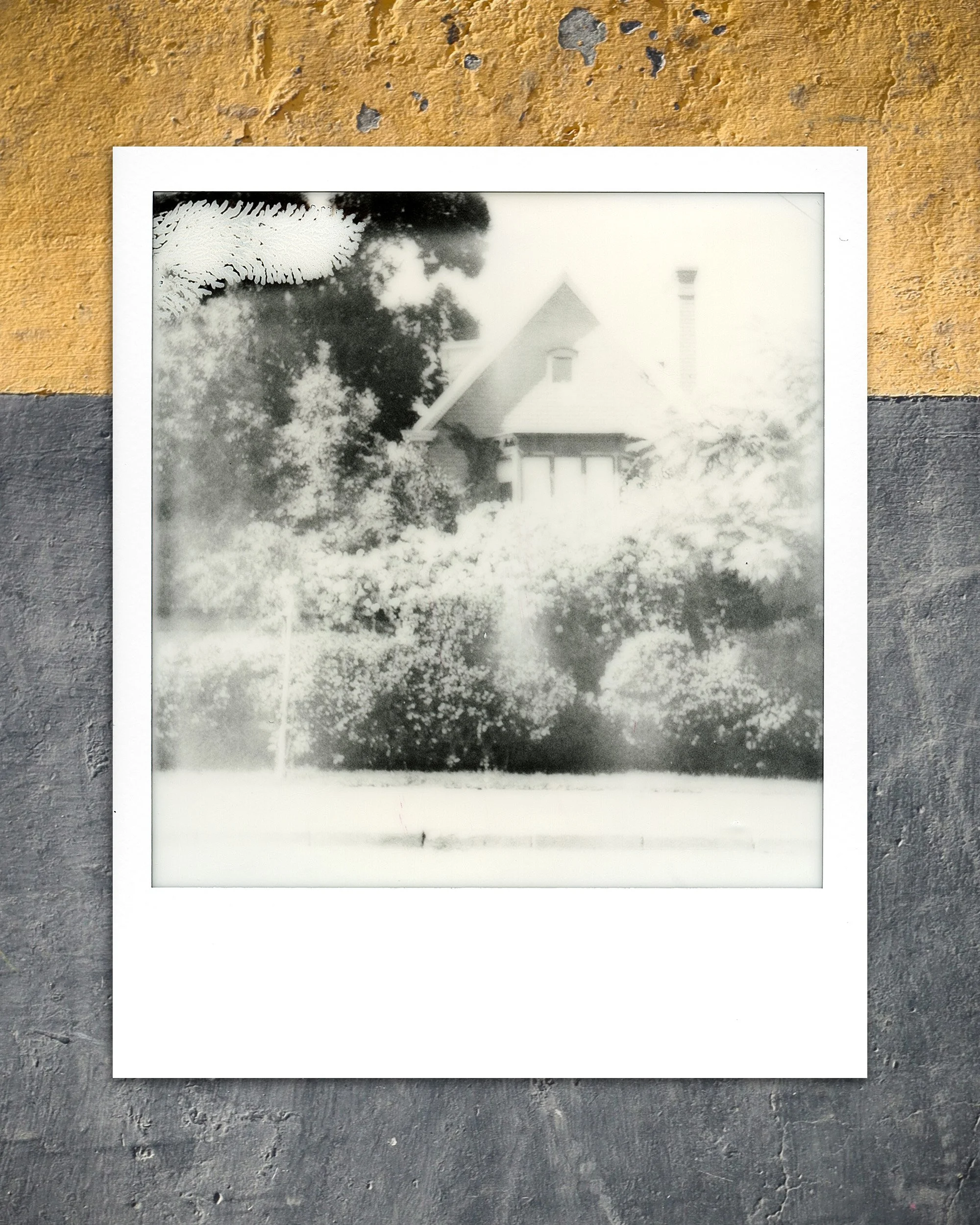
Providencia
Originally developed in the late 19th century as an upper-class residential area, Providencia grew into one of Santiago’s most vibrant and livable districts, mixing together historic charm with modern city life.
It subverted all of my expectations. It felt very different from Buenos Aires, where I had just arrived from. Colonial architecture and Art Nouveau gave way here to more American-style wooden foursquares and mansions, and even the cars on the streets leaned heavily toward pickup trucks and SUVs (…).
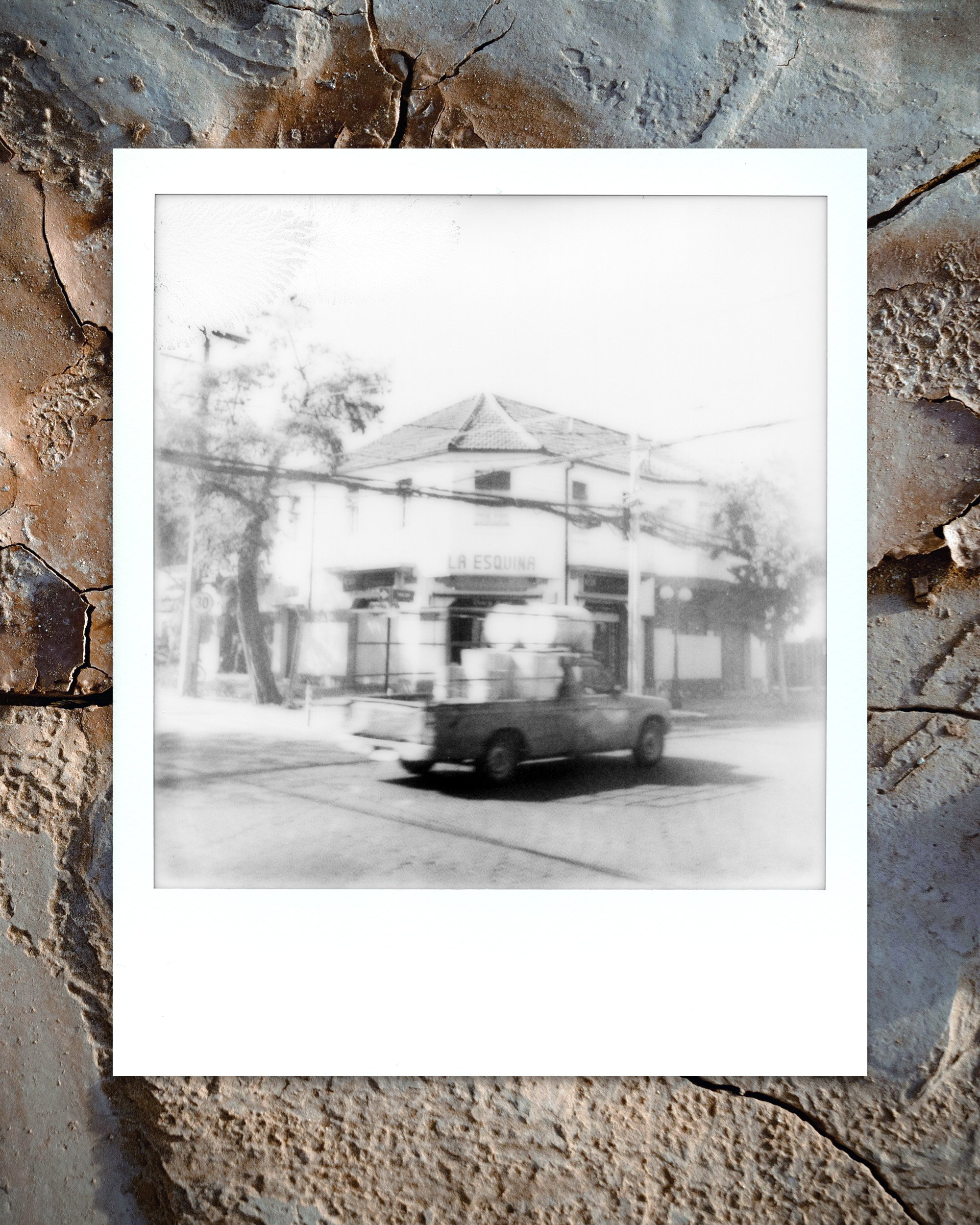
Nunoa
Long before it became what it is today, Ñuñoa was not even part of the city of Santiago itself. The land on which it now stands was originally inhabited by indigenous Mapuche-Picunche communities, who cultivated the fertile terrain shaped by the nearby Mapocho River. Even the name itself is believed to come from Mapudungun, hinting at something green, something alive—fitting, considering what the district would later become.
When the Spanish arrived in the 16th century, the area transformed into a patchwork of haciendas and agricultural estates. It remained largely rural for centuries—a quiet periphery supplying food to the growing colonial city founded in 1541 (…).
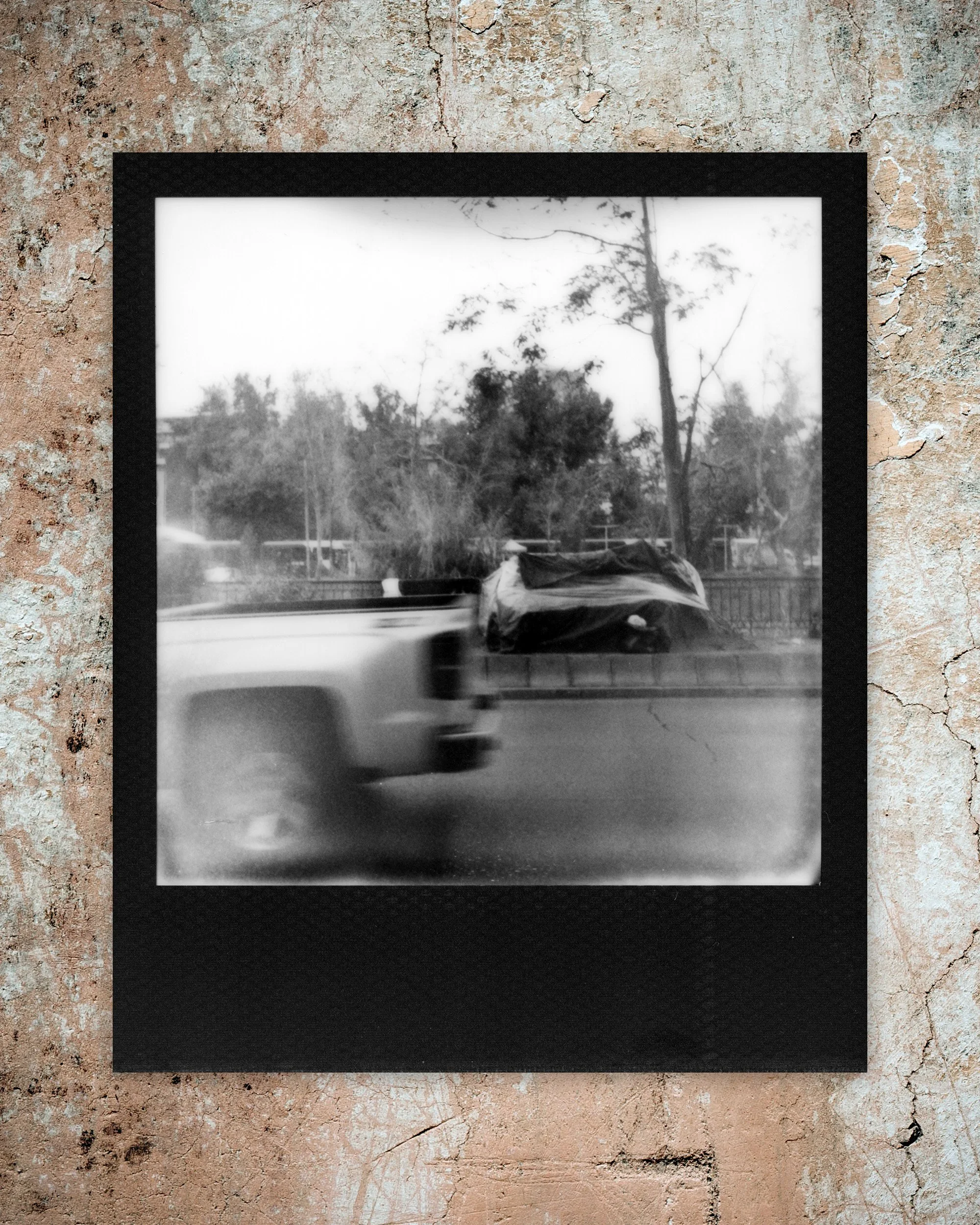
Homelessness
I’m not sure if it is an escalating issue, or have it always been there and I simply didn’t notice it to this extent before. But one thing that has become an almost constant sight wherever I travel lately is the homelessness crisis. In many places, it’s one of the very first things I see.
That was the case in Santiago de Chile, entering the city alongside the Mapocho River and seeing tents and makeshift shelters lining its banks.
But it’s something I’ve been noticing increasingly all over the world. From American metropolises and European old towns to the streets of Asia and South America, the number of people affected by this seems staggering (…).
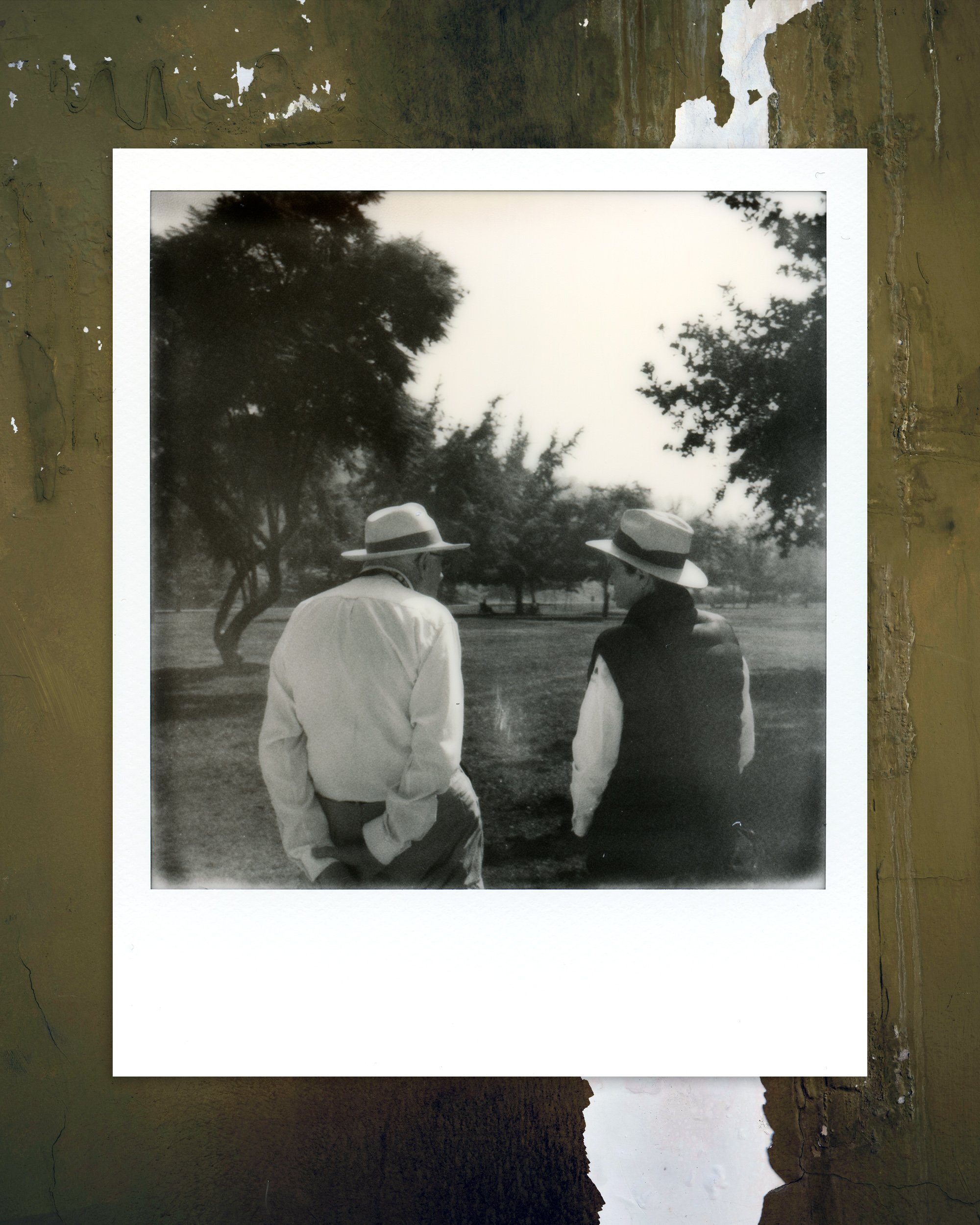
Relaxing Times
I honestly envy people’s ability to relax.
I seem to exist in a constant state of hyperfocus and high frequency. I’m the kind of person who listens to a course or podcast while showering and does push-ups while studying a language just to maximize time efficiency.
I basically work several jobs at the same time. Multiple projects, clients, plans, pipelines, meetings. The environment is always changing: taxi, plane, train, hotel, office, Uber, home, then a workout before remembering to call the accountant (…).